


CH-7 stealth drone debut boosts aerospace tech









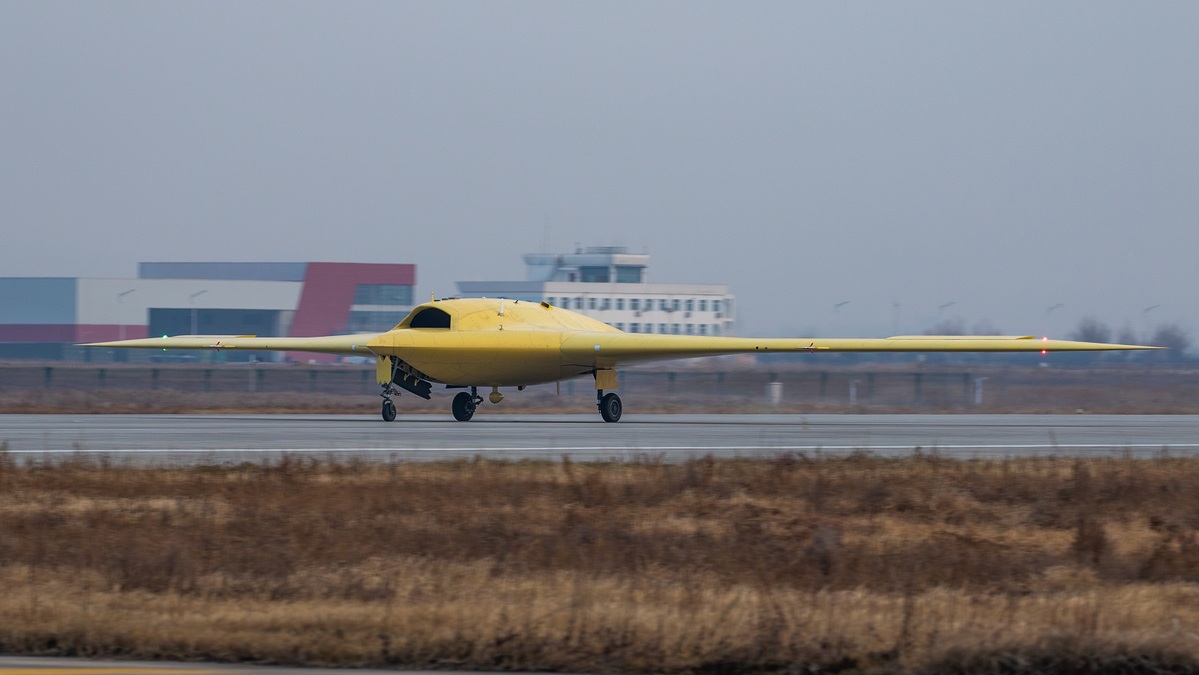
China's CH-7 high-altitude, high-speed drone recently conducted its maiden flight in a northwestern province, according to the China Academy of Aerospace Aerodynamics, which designed and built the pilotless plane.
According to the academy, a subsidiary of China Aerospace Science and Technology Corp, the CH-7 features a flying wing design and is equipped with advanced mission payloads such as optical and infrared sensors, enabling long flight times, high operational altitudes and robust mission capabilities.
The drone is suited for tasks including target monitoring and information support, it said.
In upcoming tests, engineers will evaluate the CH-7's flight performance and its mission payloads' capabilities, the academy noted.
The CH-7 was first unveiled at the 12th China International Aviation and Aerospace Exhibition in November 2018, where it quickly attracted significant attention and sparked speculation about its missions.
According to information published at the exhibition, the CH-7 has a wingspan of 27.3 meters, a maximum takeoff weight of 8 metric tons, a cruise speed of 612 kilometers per hour, and a topflight altitude of about 16 km. The drone can fly for up to 16 hours in a single flight.
The Beijing academy started researching and developing the CH drones in 1999 after its engineers recognized that their expertise in aerodynamics and missile design could also be applied to unmanned aircraft.
Since then, the academy has established a large portfolio of military drones, ranging from small models for battlefield reconnaissance to large, sophisticated ones capable of penetrating enemy air defenses and taking out targets.
To date, it has sold more than 200 midsize and large combat drones to over 10 nations. The pilotless planes have accumulated around 70,000 hours in combat operations, with nearly 12,000 sorties and more than 2,000 munitions fired, boasting a 98.2-percent successful hit rate, according to the academy.