

Solar shelters shrubs to stunt Inner Mongolia's shifting sands
Integrated soil restoration pilot project gains ground in China's rugged north










Grass–solar fusion
In the caragana–alfalfa intercropping demonstration area of the pilot project, vegetation cover has reached 95 percent, producing enough forage to meet nearby demand. The forage yields are comparable to those of 10,000 hectares of natural grassland.
This year, the whole banner's average vegetation coverage reached 38.97 percent, exceeding 40 percent in some areas, with an average height of 23.82 centimeters.
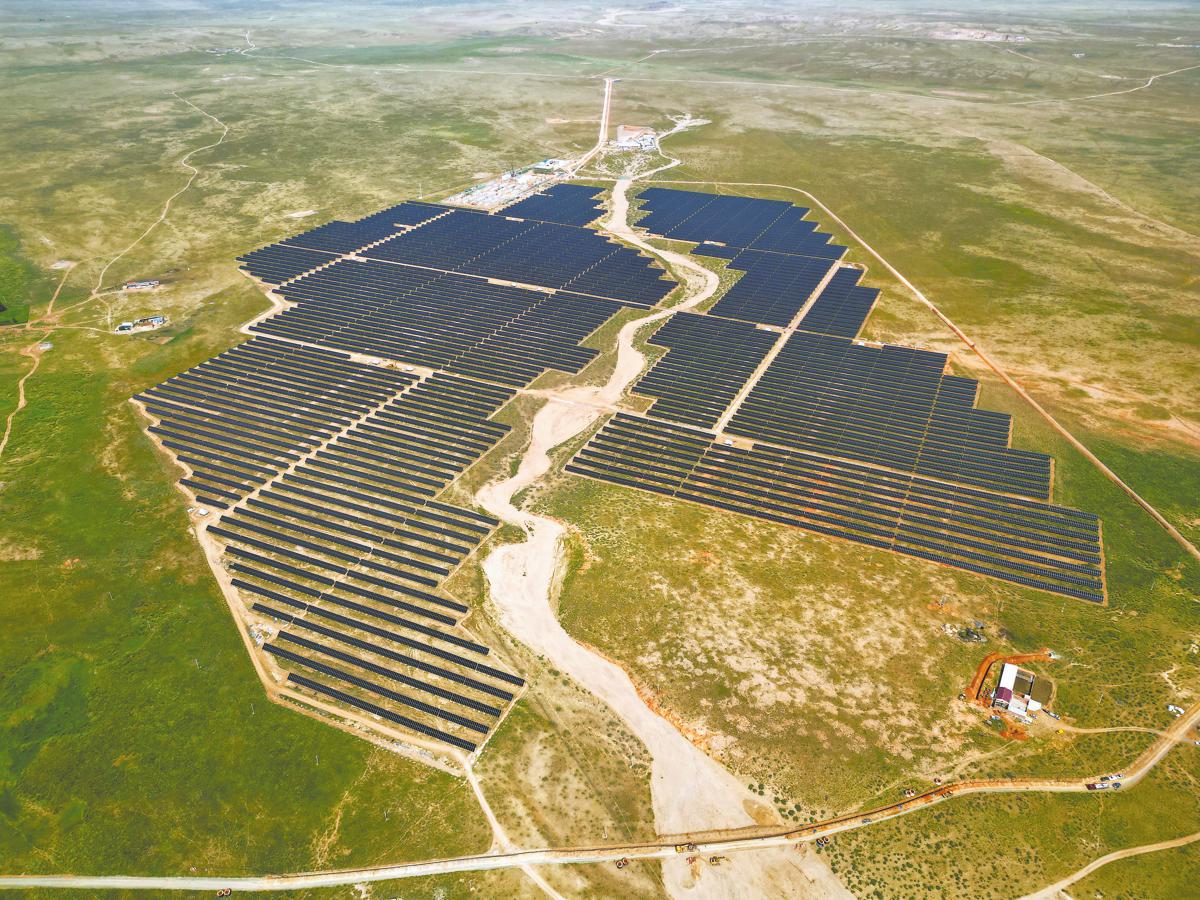
The photovoltaic array, which was activated earlier this year, generates around 90 million kilowatt-hours of electricity annually, according to Zhang Jinping, general manager of the photovoltaic part of the project.
Zhou said the micro-environment provided by the shade of the solar panels has reduced moisture evaporation and expanded the range of plantable grass species, greatly improving water-use efficiency and enhancing biodiversity.
"The solar panels can lower surface temperatures by 3–5 C, preventing sun-loving plants from losing excessive moisture through high-temperature transpiration while also providing a suitable habitat for shade-tolerant species," he said.
According to official data, the number of plant species in the pilot area has increased from 12 before restoration to 28. The cooler, more moist habitat has also attracted more insects and birds, indicating a significant improvement in biodiversity.
As vegetation thickens and roots stabilize the soil, wind erosion has declined, Zhou said, adding that the outcome so far has achieved the goal of "stabilizing sand with grass".
Zhang, the manager, said, "While we were installing the panels on the grassland, we consulted with experts from time to time about suitable grass seeds to plant that would ensure disturbance to the grassland was minimized."
With an installed capacity of 50 megawatts, the photovoltaic project supplies clean energy to a green substrate facility in Darhan Muminggan Joint Banner's new industrial park. The 263,000-square-meter array of photovoltaic panels is expected to save more than 39,000 metric tons of standard coal and cut carbon dioxide emissions by about 73,000 tons annually, according to Zhang.
Seed to feed
Beyond the grass–solar model, drought-tolerant species used in desertification control are also boosting forage supplies for herders in the Inner Mongolia autonomous region.
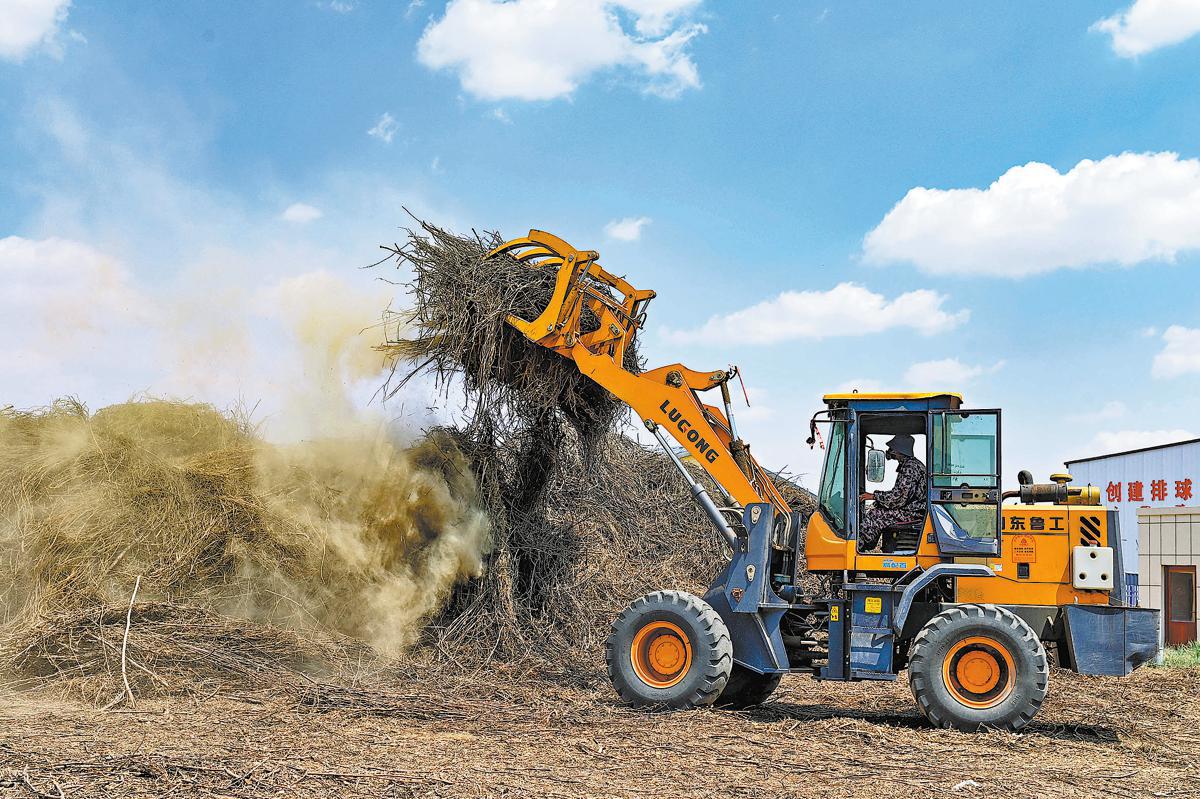
Caragana korshinskii, a hardy shrub widely planted across dry regions in the country, is considered a treasure in Inner Mongolia's Ulaanqab city. A local saying captures its value: "As both a forest and grass, caragana blocks the wind and stabilizes sand", and serves as a "lifesaving forage for livestock".
Since the 1990s, Ulaanqab has planted the shrub across more than 800,000 hectares. Originally intended for ecological restoration, it also provides abundant, low-cost forage that reduces production expenses for herders and husbandry companies.
Li Kaijun, head of Inner Mongolia Qingmuyuan Agriculture and Animal Husbandry Co, said, "Locally produced caragana forage contains no pesticide residue and has cut transportation costs by over 40 percent."
He added that the stable year-round supply and low price of local caragana forage help increase milk yields, speed calf growth, and improve the company's performance.