


China launches carrier rocket to deploy experimental cargo ship and satellite









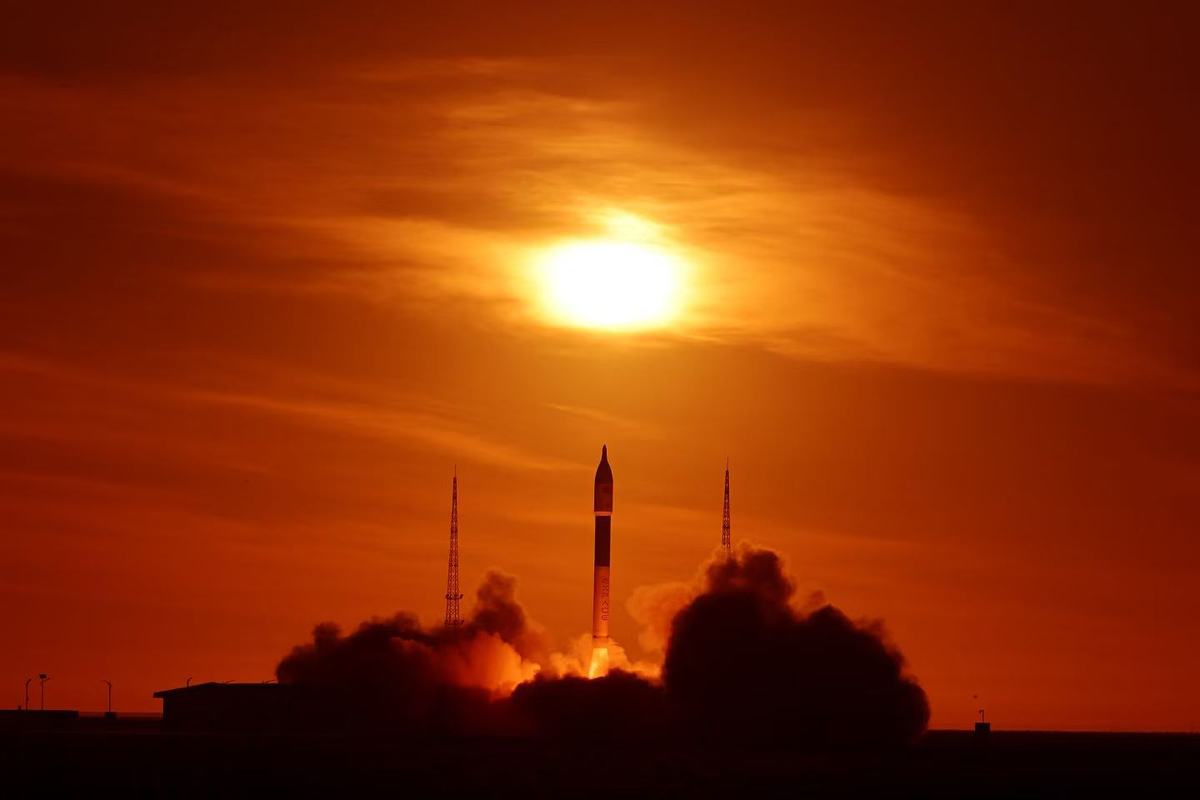
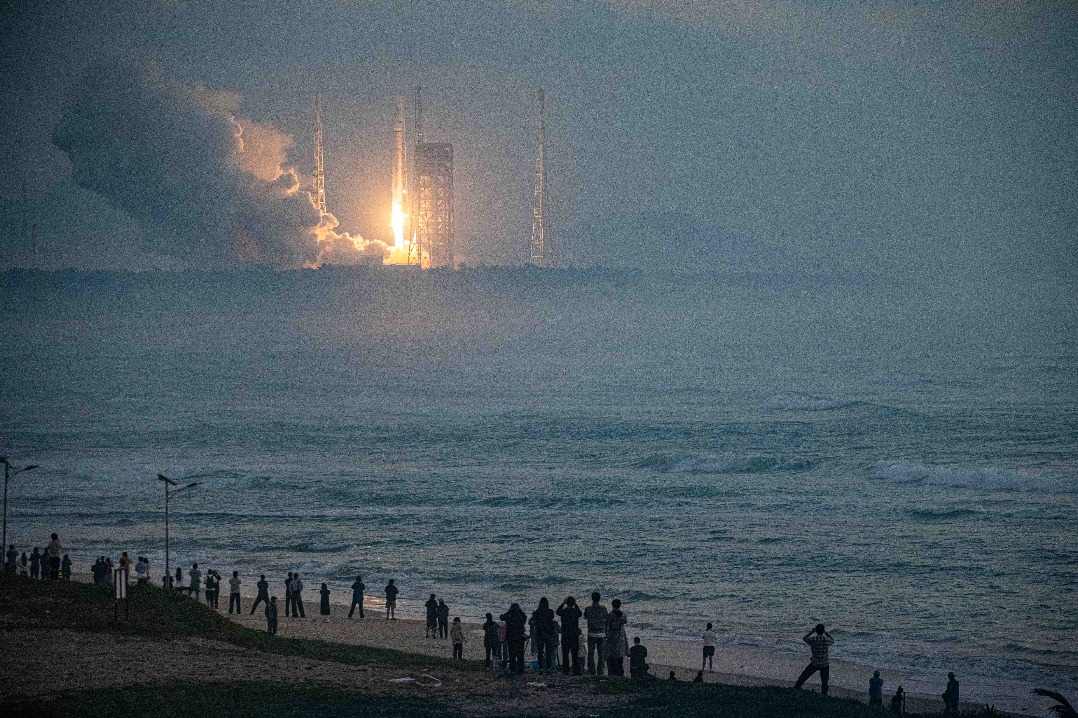
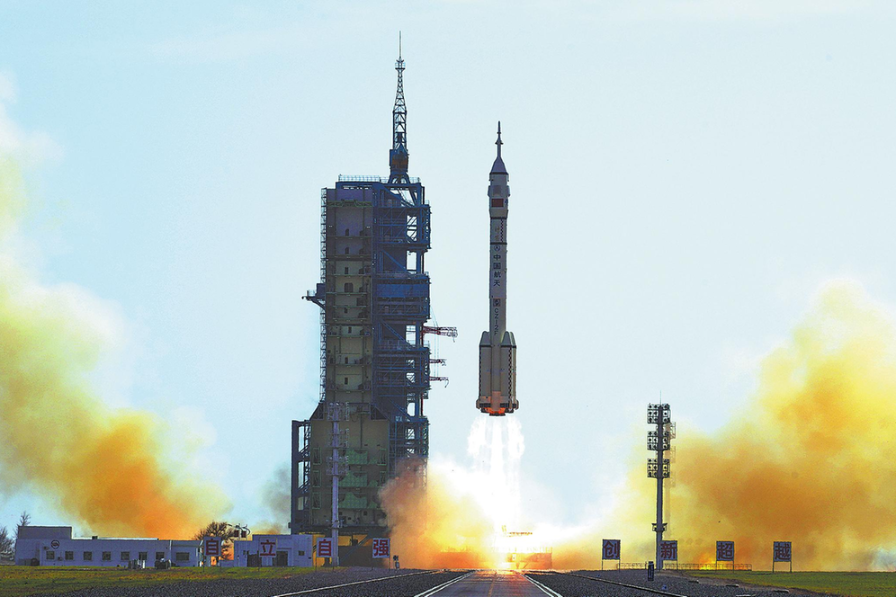
China launched a Kuaizhou 11 carrier rocket on Saturday morning to deploy a privately developed experimental cargo ship and a satellite into space.
The rocket blasted off at 9:08 am at the Jiuquan Space Launch Center in the Inner Mongolia autonomous region and soon placed the DEAR 5 ship and the Xiwang 5B satellite into their preset orbital position, according to China Aerospace Science and Industry Corp, a State-owned space contractor that builds the Kuaizhou series rockets.
Developed by Beijing-based private spacecraft company AZSpace, the DEAR 5 is the second member of the company's B300-L family. It consists of two major components - a service cabin and a payload capsule, and has 1.8 cubic meters available for up to 300 kilograms of payload.
According to the company, DEAR stands for Discovery, Exploration, Advance and Reentry.
Flying in an orbit 343 kilometers above the Earth, the robotic ship is carrying 34 sets of devices from research bodies, universities, and enterprises to conduct experiments related to microgravity physics, life and medical sciences, material science, and new space technologies, AZSpace said, noting it is designed to work at least one year in orbit.
In addition to the experimental payloads, the DEAR 5 also accommodates several "mini space labs" that can be used for experiments and educational purposes.
Zhang Xiaomin, chairman of AZSpace, said that an increasing number of research institutions and enterprises are looking to conduct scientific research in space.
"Our spacecraft is capable of meeting these needs. It aims to serve as a space laboratory for scientists, an orbital factory for entrepreneurs, and a 'delivery courier' for the space station," he said.
The Kuaizhou 11 model is 25 meters tall and has a diameter of 2.2 meters. With a liftoff weight of 78 metric tons, the rocket is able to place a 1-ton payload into a sun-synchronous orbit at an altitude of 700 kilometers, or a 1.5-ton spacecraft into a typical low-Earth orbit.



- Archives detailing crimes of Japanese unit released
- 'Reservoirs of primordial water' may be buried deep within Earth
- China remembers victims of Nanjing Massacre, 88 years on
- China launches carrier rocket to deploy experimental cargo ship and satellite
- Relic dates Jinan founding to around 4,200 years ago
- New rocket set to debut soon, launch six satellites